Leather shoes can stay beautiful for years if you clean them in a way that suits the leather. The quickest route: first remove loose dirt, wipe smooth leather with a lightly damp microfiber cloth, let it dry completely, and treat suede or nubuck with a special cleaner. Never use a lot of water or an aggressive agent before you know what type of leather you are dealing with. In this guide, you'll learn step-by-step how to clean leather shoes, remove stains, and then protect them for longer.
Step 1: What kind of leather do you have?
The biggest mistake when cleaning leather shoes is applying one method to all types of leather. Therefore, first determine the material:
- Smooth leather and synthetic leather: a closed, even surface. You wipe this clean; it absorbs little moisture.
- Suede and nubuck: an open, rough nap that absorbs moisture and dirt. Here you use a brush and a cleaner suitable for absorbent materials.
- Patent leather and greased (oiled) leather: special finishes that require a specific approach. Avoid protectors and foam cleaners here and suffice with a damp cloth.
In doubt? Gently rub a damp cloth on an inconspicuous spot. If the surface becomes dull or rough, you likely have suede or nubuck.
Cleaning leather shoes in 5 steps (smooth & synthetic leather)
For smooth and synthetic leather shoes, such as dress shoes, leather sneakers, and boots, this basic routine works best:
- Remove loose dirt. Tap the shoes together and wipe away sand and dust. If possible, remove the laces.
- Wipe with a damp microfiber cloth. Lightly dampen a microfiber cloth with lukewarm water and wipe the leather clean with gentle movements. A microfiber cloth collects more grease and dirt than a regular cloth and is suitable for leather, suede, and textiles.
- Tackle stubborn dirt with a cleaner. If dirt remains, apply the Deep Clean Solution to the microfiber cloth or brush and carefully work on the spot. This cleaner is also suitable for leather. Do not scrub and do not soak.
- Dry off and let dry. Rub the leather dry with a clean, dry cloth and let the shoes air dry completely at room temperature, away from the heater. Stuff a wad of newspaper into the shoe to maintain its shape.
- Nourish and protect (optional). Is the leather dry or dull? Use suitable leather nourishment or shoe cream, and finish with protection (see below).
Always test a new product on an inconspicuous spot first and give leather at least 24 hours to dry after a wet treatment.
Cleaning suede and nubuck leather
Suede and nubuck are also leather, but with an open nap that absorbs dirt. Wiping with a wet cloth is counterproductive here. The correct brushing motion makes all the difference:
- First, brush the dry suede in one direction to remove dust and loose dirt. This keeps the nap beautifully even.
- If dirt is caked on, brush back and forth briefly to roughen the nap, then smooth it back in one direction so all fibers lie the same way.
- For stains, dampen the Brush To Clean & Protect with lukewarm water, apply the Deep Clean Solution, and scrub until a rich foam forms.
- Wipe dry with a clean cloth and let dry for 24 hours. Afterward, brush the dried suede one more time to bring back the nap.
Always use light pressure. Scrubbing too hard flattens the nap and creates shiny spots. If you want to delve deeper into this, read our separate guide on cleaning suede shoes.
Removing stains from leather
The approach depends on the stain. A few guidelines that apply to most types of leather:
- Water stains and rings on smooth leather: lightly and evenly dampen the entire panel with a damp cloth, so the edge of the ring fades. Let dry slowly.
- Salt rims (winter): wipe with a cloth with lukewarm water and repeat in thin layers instead of wetting once.
- Grease stains: dab, do not rub. On smooth leather, some dirt may come off with the damp cloth; on suede and nubuck, use the Deep Clean Solution.
Do not do: do not use aggressive all-purpose cleaner, acetone, or a lot of water, and never put leather in the washing machine or dryer. Always work from the outside in and test beforehand on an inconspicuous spot.
Cleaning white leather shoes
With white leather shoes, every edge and scuff mark immediately stands out. Therefore, work specifically:
- Wipe smooth leather with a damp microfiber cloth and treat yellowed edges with small circles instead of hard scrubbing.
- Black scuff marks on the toe or side can be gently rubbed away with the damp cloth. If it remains, a clean eraser often removes such a streak on smooth leather.
- Clean the rubber sole and edges separately with an old toothbrush and some water, so you don't wet the leather itself.
- Remove the laces and wash them separately; dirty laces still make a clean shoe look dull.
- Do not use bleach, vinegar, or toothpaste on the leather itself. This can dry out or discolor it. Also, let white leather dry out of direct sunlight, as sun can make white leather appear yellower.
When to leave a stain to a specialist?
Not every stain is a job for home. Stop self-treating and go to a cobbler or leather specialist if:
- Ink, paint, or deeply absorbed grease stains that do not lighten after two careful attempts.
- Color loss or rings that keep reappearing after drying.
- Damaged or torn leather and salt rims that constantly return.
- Damage to patent leather or greased leather, as these finishes can be irreparably damaged quickly.
Rule of thumb: if a stain does not diminish after two gentle treatments, do not continue with more water or a stronger agent. This usually causes more damage rather than less.
Maintaining and protecting leather shoes
Cleaning is half the battle, because prevention is better than cure. An invisible protective layer ensures that moisture, mud, and dirt have less chance, making subsequent stains easier to remove. Which protection you choose depends on the leather:
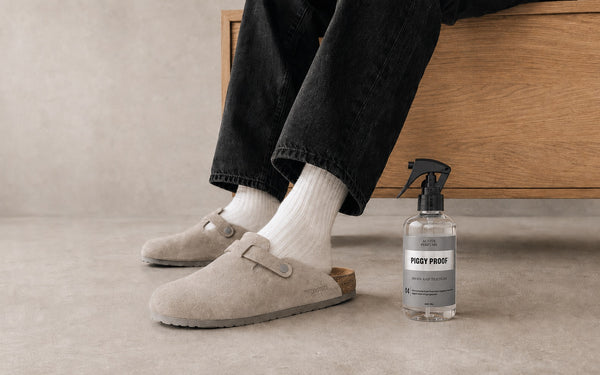
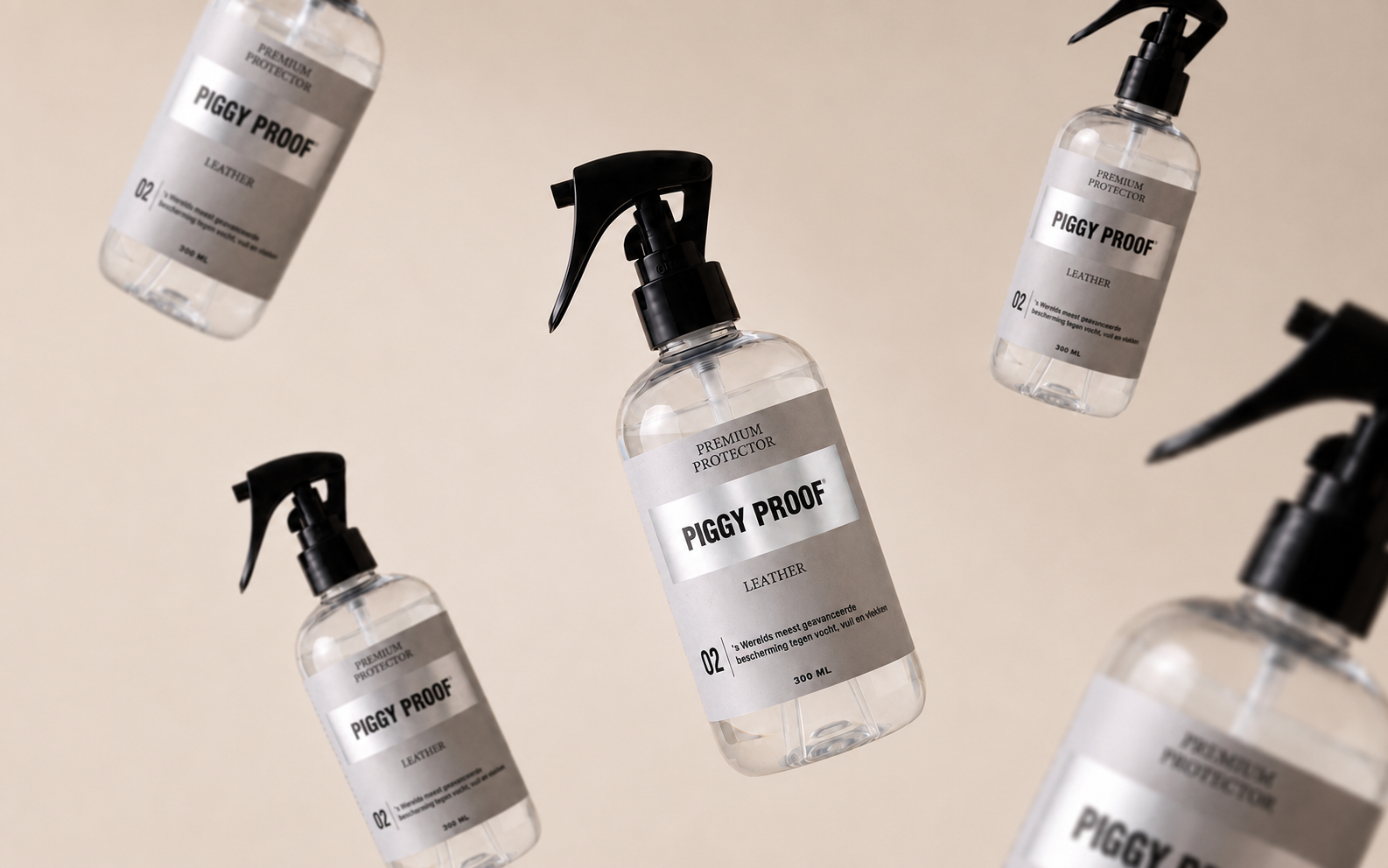
- Smooth and synthetic leather: use the Premium Protector for leather (02). Suitable for (synthetic) leather and combinations of leather with absorbent fabrics, odorless, water-based, and 100% invisible. Do not use on patent leather or greased leather.
- Suede and nubuck: use the Premium Protector 01 for suede and textiles, or grab the ready-to-use Suede Protect Kit with protector and brush in one.
Here's how to apply a protector: ensure a clean and dry surface, lightly spray the leather from 10 to 15 cm, let it soak in, and repeat the treatment. Then let the shoes dry for 24 hours at room temperature and buff with a clean, dry cloth. The best result is achieved on new or freshly cleaned leather. Test beforehand on an inconspicuous spot and periodically renew the protection, especially before the wet season.
Frequently asked questions
Can you clean leather shoes with water?
With a lightly damp cloth: yes. Soaking or holding under the tap: no. Too much water can dry out smooth leather and leave rings, and damage suede.
How often should I maintain leather shoes?
Wipe them clean when needed and renew the protective layer periodically, for example at the beginning of autumn and each time after thorough cleaning.What is the difference between cleaning and protecting leather?
Cleaning removes existing dirt and stains; protecting (waterproofing) prevents new moisture and dirt from penetrating the leather. For the best result, do both: first clean, then protect.
Can I wipe suede leather with a damp cloth?
Preferably not. Suede and nubuck should be wiped dry with a brush and cleaned with the Deep Clean Solution; a wet cloth flattens the nap.
In short
First, identify the leather, clean smooth leather with a damp microfiber cloth and suede or nubuck with the Deep Clean Solution and a brush, carefully remove stains, and let everything dry for 24 hours. Want to prevent stains? Check out the protection for leather shoes and keep your favorite pair looking new for longer.